Phone: +86 17767072030 (WhatsApp).
Work Hours
Monday to Friday: 7AM - 7PM
Weekend: 10AM - 5PM
Phone: +86 17767072030 (WhatsApp).
Work Hours
Monday to Friday: 7AM - 7PM
Weekend: 10AM - 5PM

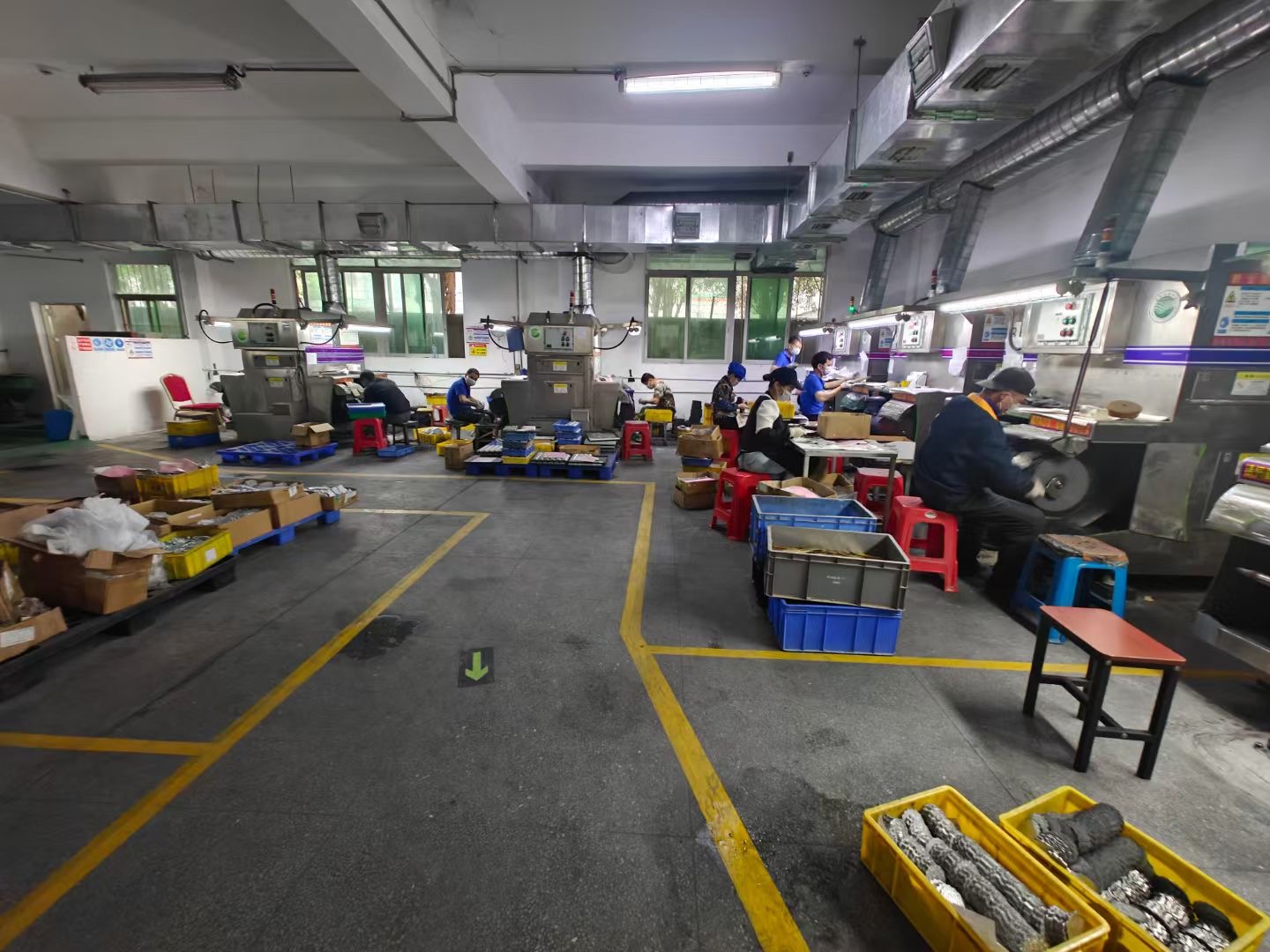
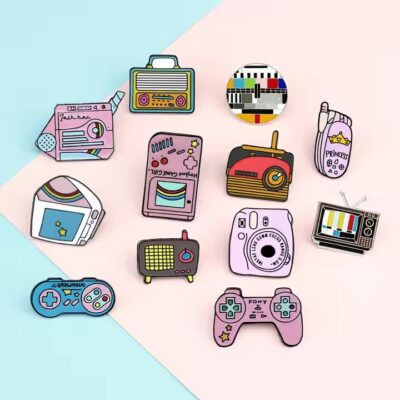
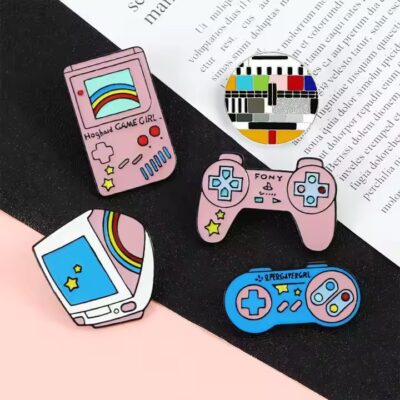
Metal pins are popular for their durability, elegance, and versatility. But not all pins are made the same—understanding the materials used to produce metal pins is crucial for ensuring the right look, feel, and function for your needs. Here’s a breakdown of the most common materials and their unique characteristics.
Features:
Soft yet durable, ideal for precise die stamping
Provides a smooth surface for enamel application
Compatible with gold, silver, or antique finishes
Advantages:
Excellent for detailed designs
High-end appearance
Resistant to corrosion
Common Uses:
Premium lapel pins, award pins, official insignias
Features:
Strong yet lightweight
Ideal for die casting, especially 3D or cut-out designs
Cost-effective for complex shapes
Advantages:
Great for dimensional or large designs
Lower cost than brass
Good durability
Common Uses:
3D commemorative pins, tourist pins, customized shape pins
Features:
Sleek and corrosion-resistant
Naturally silver in color
Strong and long-lasting
Advantages:
No plating required
Perfect for modern, minimalistic designs
Very durable in outdoor or high-moisture environments
Common Uses:
Modern logo pins, durable name badges, utility pins
Features:
Magnetic and strong
Often used for soft enamel pins
Suitable for screen printing and epoxy coating
Advantages:
Affordable option
Good surface for vivid color fills
Durable for everyday use
Common Uses:
Mass-market promotional pins, club pins, event giveaways
Features:
Lightweight and corrosion-resistant
Good for printed or laser-engraved pins
Advantages:
Very lightweight
Suitable for badge-type applications
Common Uses:
Large printed pins, ID name tags, novelty pins
Choosing the right material for your metal pin depends on the design, budget, and purpose. Brass and stainless steel offer elegance and precision, while zinc alloy and iron provide flexibility and cost efficiency. Understanding these materials will help you create custom pins that are both beautiful and functional.