Phone: +86 17767072030 (WhatsApp).
Work Hours
Monday to Friday: 7AM - 7PM
Weekend: 10AM - 5PM
Phone: +86 17767072030 (WhatsApp).
Work Hours
Monday to Friday: 7AM - 7PM
Weekend: 10AM - 5PM

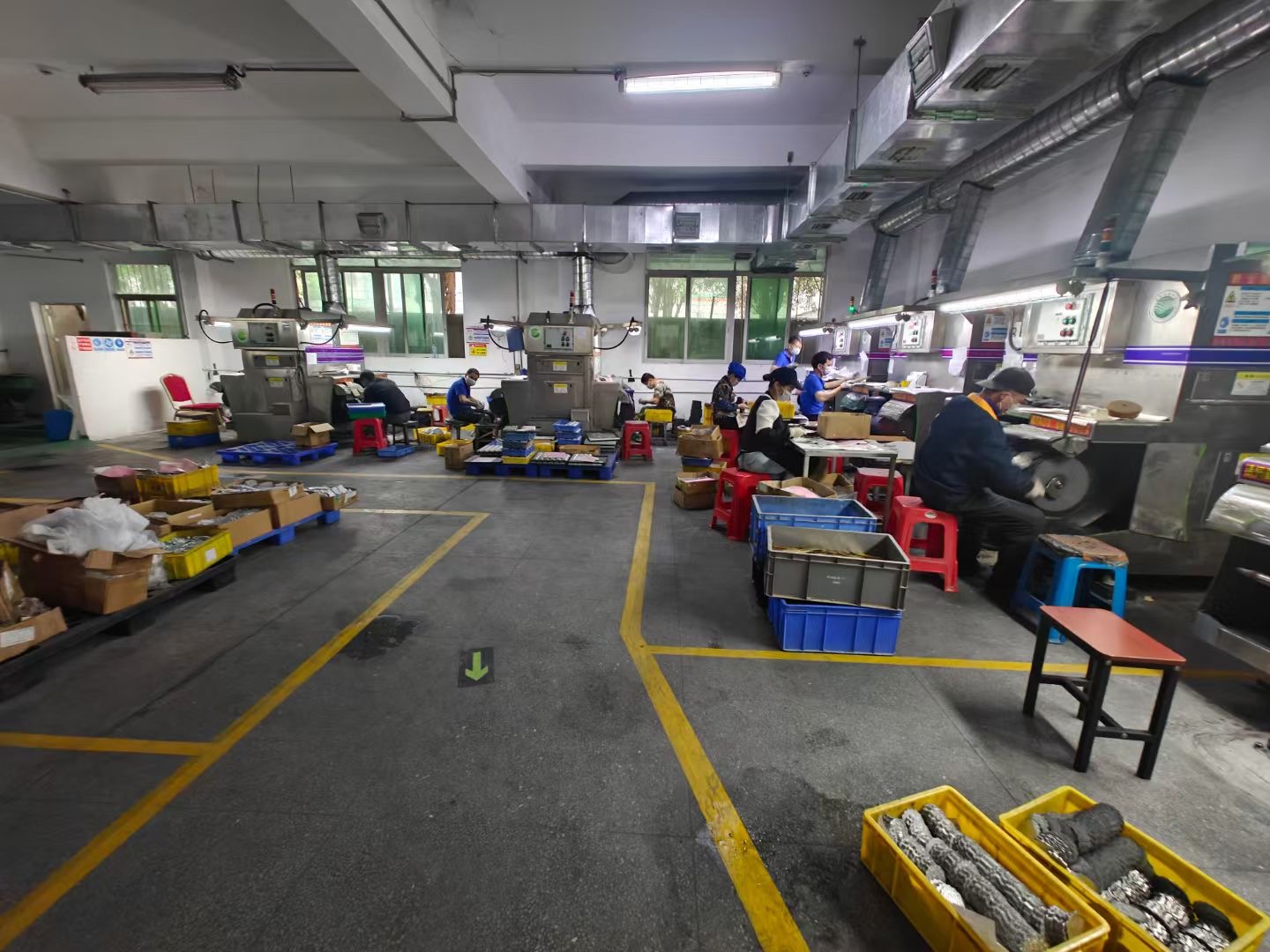


Metal pins are popular accessories and promotional items made from a variety of materials. The choice of material affects the pin’s durability, appearance, cost, and customization options. Here are the most common materials used in metal pin manufacturing.
Features: An alloy of copper and zinc with a bright gold-like appearance.
Advantages: Durable, corrosion-resistant, and ideal for detailed engraving and polishing.
Uses: Often used for premium lapel pins and high-quality collectible pins.
Features: A versatile metal that can be easily cast into complex shapes.
Advantages: Cost-effective and supports vibrant enamel filling for colorful designs.
Uses: Widely used for custom pins with intricate designs and affordable pricing.
Features: Known for its strength, corrosion resistance, and sleek silver finish.
Advantages: Long-lasting and resistant to rust and tarnish, suitable for everyday wear.
Uses: Ideal for durable pins used in corporate or industrial environments.
Features: Strong and magnetic, often used with plating for enhanced appearance.
Advantages: Provides a sturdy base, but prone to rust without proper coating.
Uses: Common for promotional pins where magnet backs are used.
Features: Reddish metal known for malleability and vintage charm.
Advantages: Develops an attractive patina over time, adding character.
Uses: Used for artisan pins and unique custom designs.
Consider Durability: Stainless steel and brass offer superior longevity.
Budget Constraints: Zinc alloy provides a balance of cost and quality.
Design Complexity: Zinc alloy excels in detailed molding, while brass is better for engraving.
Selecting the right material is essential to producing metal pins that meet your design, budget, and durability requirements. Understanding these common materials helps ensure your pins look great and last long.